
 Resources & Catalogs

Furnishing a primary or guest bedroom often brings unexpected sticker shock. You want a cohesive aesthetic and a relaxing sanctuary, but the reality of furniture shopping can quickly derail your plans. Buyers frequently struggle to establish a realistic budget because costs vary wildly across different quality tiers. You can find flat-pack kits made of engineered materials or heirloom collections crafted from solid hardwood. This massive range makes it difficult to assess true value, durability, and long-term functionality.
Understanding what drives these costs is essential before you start shopping. You need to know how construction materials, logistics, and piece counts dictate the final invoice. This guide provides a structured breakdown of average costs and the specific factors that influence them. We will give you an evaluation framework to ensure the bedroom set you choose aligns with your lifestyle needs.
Price Spectrum: A standard bedroom set ranges across multiple tiers, with luxury or solid wood collections frequently exceeding standard budgets.
Material Dictates Lifespan: The largest price differentiator is construction material—specifically the shift from engineered wood (MDF/particleboard) to solid hardwood and high-grade veneers.
Piece Count Variability: "Bedroom set" is not a standardized term; prices fluctuate heavily based on whether the bundle is a basic 3-piece (bed, two nightstands) or a comprehensive 6-piece suite.
King-Size Premium: Upgrading to a King-size bedroom set increases costs significantly due to larger material requirements and the need for larger-scale case goods to match the bed's visual proportion.
Hidden Costs: Mattresses, box springs, and white-glove delivery are rarely included in the baseline sticker price and must be factored into the final budget.
Budget-tier sets provide immediate, affordable furnishing for temporary living situations. They work well for guest rooms, dorms, or first apartments where long-term durability is not the primary concern. These collections rely heavily on flat-pack assembly, requiring you to build the pieces yourself using basic hand tools. Construction typically involves engineered wood like medium-density fiberboard (MDF) or particleboard covered in laminate finishes. Hardware is usually basic, featuring simple metal drawer glides and lightweight pulls that may loosen over time.
The expected lifespan for budget furniture is roughly three to five years. These pieces are highly susceptible to moisture damage. If a glass of water spills and seeps into the seams, the particleboard will swell and warp permanently. The laminate can peel at the edges, and the structural integrity often degrades if the furniture is disassembled and moved to a new home. Screws driven directly into MDF tend to strip out after a single assembly, making relocation a risky endeavor.
Mid-range sets balance aesthetic appeal with moderate durability. They are designed for daily use in a primary bedroom. At this quality tier, you see mixed materials that offer a significant upgrade over budget options. Manufacturers often use solid wood frames combined with high-quality wood veneer panels over plywood or MDF cores. Case goods like dressers and nightstands usually arrive factory-assembled, which ensures tighter joints and better overall stability. The hardware improves significantly, often featuring full-extension, soft-close drawer glides that operate smoothly under heavy loads.
With proper care, mid-range bedroom furniture offers an expected lifespan of ten to fifteen years. The construction handles regular use and occasional moves much better than budget alternatives. Corner blocking in the frames and better joinery techniques mean the pieces will not wobble or rack out of square after a few years of opening and closing drawers.
Luxury sets focus on generational durability, bespoke design, and maximum structural integrity. These collections use fully kiln-dried solid hardwood, which prevents the wood from cracking or warping as humidity levels change in your home. Construction features traditional joinery methods like English dovetail drawers and mortise-and-tenon frame connections. You will also find custom upholstery options, hand-applied finishes that require multiple steps of sanding and sealing, and premium hardware cast from solid brass or iron.
The expected lifespan of heirloom furniture is generational. These pieces are built to last a lifetime and can often be refinished or repaired rather than replaced. If a solid wood dresser gets scratched, a furniture restorer can sand it down and apply a new stain, bringing it back to its original condition. This level of craftsmanship ensures the furniture remains functional and beautiful for decades.
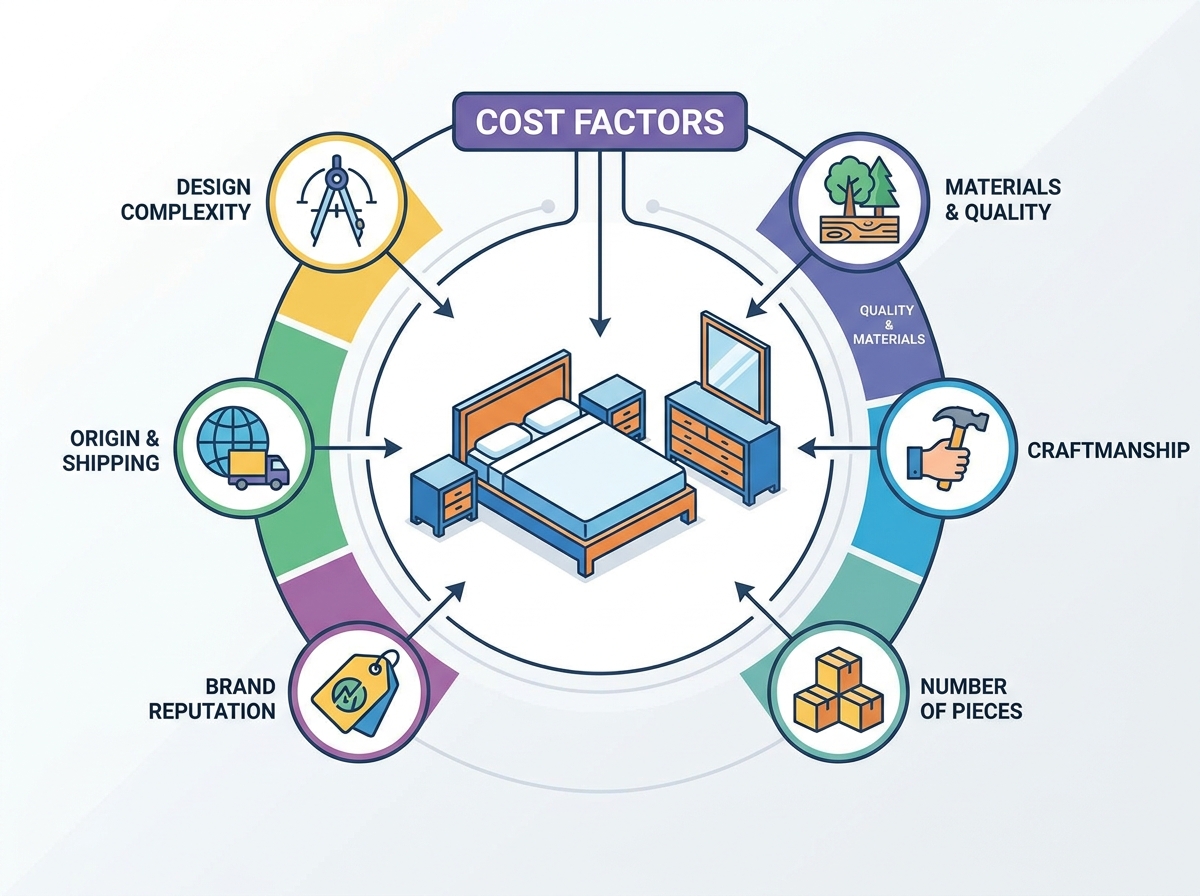
The term "bedroom set" does not guarantee a specific number of items. Retailers bundle furniture in various configurations, and each additional piece increases the total cost, material usage, and shipping weight. A basic three-piece set usually includes a bed frame, one nightstand, and a dresser. This is the minimum requirement for a functional bedroom. A four-piece set might add a mirror that attaches to the dresser or a second nightstand for symmetry. Expanding to a five-to-seven-piece set introduces tall chests, media consoles, or footboard benches.
Set Configuration | Typical Included Pieces | Best Use Case |
|---|---|---|
3-Piece Set | Bed Frame, 1 Nightstand, Dresser | Small guest rooms or single sleepers |
4-Piece Set | Bed Frame, 2 Nightstands, Dresser | Standard primary bedrooms for couples |
5-Piece Set | Bed Frame, 2 Nightstands, Dresser, Mirror | Traditional bedroom layouts requiring a vanity space |
6+ Piece Set | Bed Frame, 2 Nightstands, Dresser, Mirror, Tall Chest, Bench | Large primary suites with ample square footage |
Material quality drives the cost-to-durability ratio. MDF and particleboard keep production costs low but offer poor longevity. Plywood provides better structural strength, holds screws tightly, and resists warping. Solid wood is the most premium option but offers unmatched durability. It is important to note that veneers are legitimately used in mid-to-high-end furniture to prevent large panels from warping or splitting due to seasonal humidity changes. High-grade wood veneers applied over a solid plywood core are vastly superior to cheap paper laminates used on budget furniture. Understanding the difference between a real wood veneer and a printed paper laminate is critical when evaluating a set's true value.
Manufacturing techniques directly impact the final invoice. Glued-and-stapled joints are fast and cheap to produce on an assembly line, but they fail under stress. If you overload a stapled drawer with heavy winter sweaters, the bottom will eventually blow out. Dovetail joinery requires precision milling and provides superior strength, locking the wood pieces together mechanically. Hardware also plays a massive role in daily usability. Upgrading from center wood-on-wood tracks to premium under-mounted, full-extension, soft-close drawer glides adds significant manufacturing expense to dressers and nightstands, but it transforms the user experience.
Scaling up from a Queen to a King or California King requires more raw material and larger structural supports. Furthermore, a King-size bed creates a visual scaling effect in the room. To maintain proper room proportions, you often need wider dressers and larger nightstands, which drives up the collective set requirements. The frame architecture also matters. Simple panel beds require less engineering than structurally complex storage beds with integrated drawers or hydraulic lifts. Heavily upholstered frames featuring performance fabrics or tufted headboards also carry a premium due to the added labor of upholstery.
Established heritage brands command a premium based on their long-standing reputation for quality control and customer service. Direct-to-consumer furniture startups sometimes offer competitive alternatives by cutting out showroom overhead and shipping directly from warehouses. Manufacturing origin heavily influences the final product. Domestically manufactured furniture carries higher labor and environmental compliance costs, ensuring strict quality standards. Imported mass-produced sets benefit from lower labor costs but may incur high international freight charges and longer lead times during supply chain disruptions.
Quick-ship, stock models sitting in a warehouse are the most cost-effective option. Made-to-order sets drive up the final invoice significantly. Choosing performance fabrics that resist stains, top-grain leather accents, or custom stain colors requires specialized production runs. This customization adds both expense and lead time to your order. When you request a specific fabric or a non-standard wood finish, the factory must pull the piece from the standard assembly line and finish it by hand, which increases labor hours.
Moving heavy case goods is a logistical challenge. Retailers offer different delivery tiers based on your needs. Curbside freight drop-off is the most basic option; the driver leaves the pallet at the end of your driveway, requiring high labor from the buyer to move and assemble the furniture. White-glove delivery includes bringing the items into the room, full assembly, leveling the case goods, and removing all packaging debris. This service adds a premium to the total cost but prevents damage to your home and saves hours of frustrating assembly work.
The bed frame is the anchor piece of the room. It typically accounts for the largest percentage of the set's total value. Options range from basic steel or engineered wood platforms to solid hardwood canopy frames and complex storage beds. The bed frame dictates the style of the entire room and must be structurally sound to support the weight of the mattress, foundation, and sleepers without squeaking or sagging.
These are high-value items due to the complexity of drawer construction, the required hardware, and the sheer volume of material used. Wide double dressers use more material and require more drawer glides than vertical chests. Large wardrobes or armoires are among the most substantial case goods due to their height and structural requirements. They often feature reinforced doors, hanging rods, and internal shelving, making them complex to manufacture and heavy to ship.
Nightstands are often the lowest-impact individual items in a collection. However, buying them in pairs scales the budget quickly. Factors that influence their value include the drawer count, integrated charging stations with USB ports, and premium materials like stone or marble tops. A simple open-shelf nightstand requires far less labor to build than a three-drawer nightstand with soft-close hardware and built-in power outlets.
Bed frames in furniture sets almost never include the mattress or the foundation. You must plan for these separately. A high-quality mattress is a significant investment that requires its own research and selection process based on your sleep preferences. Factor this into your initial planning to avoid total budget shock when finalizing your bedroom design. Assuming the mattress is included is a common mistake that leaves buyers scrambling to complete their room.
Retailers use bundling strategies to encourage larger purchases. Buying a complete five-piece suite often yields a better overall value compared to purchasing the pieces individually over time. Bundling also reduces consolidated shipping costs, as the entire order arrives on a single freight pallet rather than requiring multiple separate deliveries. This consolidated approach minimizes the risk of items arriving damaged across different shipments.
Buying a set guarantees design cohesion. The wood finishes, hardware styles, and physical proportions match perfectly without any guesswork. However, some interior designers warn against the "matchy-matchy" showroom look, preferring a more eclectic approach. Curating a mixed-material bedroom looks more custom and professionally designed. The trade-off is that curating individual pieces takes significantly more time, requires a sharp eye for scale and color matching, and usually results in a higher cumulative cost since you lose the bundle discount.
Furniture looks much smaller in a massive retail showroom with thirty-foot ceilings than it will in your standard bedroom. Measure your floor plan carefully before ordering. Account for drawer extension space—you need enough room to stand in front of the dresser while the drawers are fully open. Ensure you have adequate walking paths around the bed. You must also measure door frames, stairwells, tight corners, and low ceiling clearances to ensure the delivery team can actually navigate the furniture into the room.
Learn to read furniture specifications to identify deceptive marketing language. A "cherry finish" does not mean the piece is made of cherry wood; it just refers to the reddish stain color applied to a cheaper wood species. Terms like "all-wood construction" often mean the core is engineered wood or particleboard covered with a thin paper veneer. Always look for specific wood species in the specifications and check the drawer interiors to verify the construction details.
Returning heavy furniture is a logistical nightmare. Understand the return policy before you finalize the order. Many retailers charge steep restocking fees if you return an item simply because you do not like how it looks in your space. You are also usually responsible for the return freight shipping costs, which can be substantial for heavy case goods. Always inspect the furniture thoroughly while the delivery team is still present and note any damage on the delivery receipt.
Understand the depreciation curve of furniture. Budget MDF sets have essentially zero resale value once assembled; they are difficult to move and prone to damage. If you plan to upgrade later, mid-century modern pieces or brand-name solid hardwood sets retain significant liquidation or estate value on the used market. Investing in quality upfront means you can recoup a portion of your investment if you decide to redecorate in the future.
A bedroom set is a high-use, long-term investment. Spending more upfront on mid-range or luxury tiers pays off in longevity, structural integrity, and daily usability. Align your purchase with your current life stage. Opt for budget sets for temporary housing, but invest in solid construction and timeless designs for a permanent residence.
Measure your bedroom floor plan and map out the exact furniture footprint with painter's tape to verify clearances.
Establish a hard ceiling for your budget that includes freight delivery fees and a potential new mattress.
Request physical wood and fabric swatches from retailers to verify colors and textures in your home's natural lighting.
Check the drawer joinery and glide hardware specifications before finalizing the purchase to ensure daily durability.
A: No. A bedroom set typically includes the bed frame, dresser, and nightstands. Mattresses and box springs are almost always sold separately and must be factored into your total budget planning.
A: A budget MDF set lasts three to five years. A mid-range set with mixed materials lasts ten to fifteen years. Luxury solid wood sets offer generational durability and can last a lifetime with proper care.
A: It is generally more efficient to buy a complete set. Retailers often offer bundle incentives, and consolidated shipping reduces delivery logistics compared to buying pieces individually over time.
A: The bed frame is the anchor piece. It dictates the room's style, accounts for the largest portion of the material, and determines the scale required for the surrounding nightstands and dressers.
A: Yes, if you want long-term durability. Solid wood resists moisture damage, holds joinery better than engineered wood, and can be refinished if scratched, making it a superior long-term choice.


