
 Resources & Catalogs
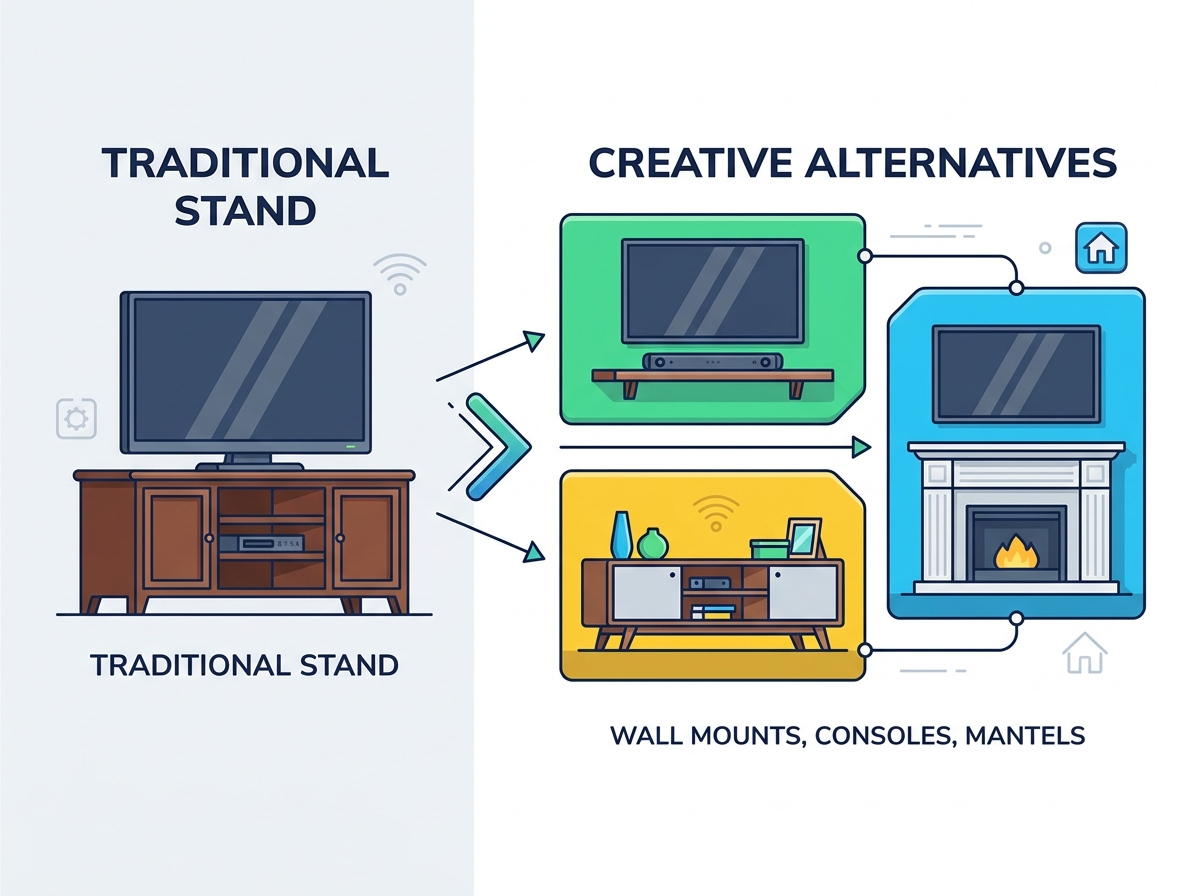
Many interior design projects challenge the assumption that a living room or bedroom requires a purpose-built, traditional media console. Modern interiors, especially in rapidly developing markets across Africa, the Middle East, and Southeast Asia, increasingly favor integrated, multi-functional design and personalized aesthetics over standard electronic furniture. A bulky media unit can dominate a room, dictating the layout and clashing with curated decor. Moving away from standard options opens up opportunities to introduce unique textures, historical pieces, or minimalist architectural elements into your space.
Users need a solution that supports the physical weight and dimensions of modern televisions while aligning with specific aesthetic preferences, spatial limitations, and storage requirements. Heavy screens require robust support, while peripheral devices demand proper ventilation and wire management—a critical factor in the warmer ambient climates often found in the Middle East and Africa. Finding the right piece involves balancing these technical requirements with your room's visual flow.
This guide provides a structured evaluation of viable alternatives to a traditional TV stand. We will analyze each option based on structural integrity, ergonomic viewing height, cable management capabilities, material composition, and overall room suitability to help you make an informed design decision. You can also learn more about us and our approach to functional furniture design.
Ergonomics Dictate Choice: The ideal alternative must position the center of the TV screen at seated eye level (typically 42 inches from the floor).
Structural Integrity is Non-Negotiable: Repurposed furniture must exceed the weight of the TV and feature a stable, anti-tip center of gravity.
Material and Texture Diversity: Break up visual monotony (such as the "too much wood" dilemma) by exploring alternatives made of powder-coated steel, stone, acrylic, plaster, or lacquered finishes, which are particularly effective for withstanding high humidity in Southeast Asia or offering cooling aesthetics in the Middle East.
Cable Management Requires Modification: Unlike purpose-built media consoles, alternatives like dressers or sideboards often require DIY retrofitting (drilling) for wire routing and heat dissipation.
Room Context Matters: High-profile pieces (dressers, tall chests) suit bedrooms, while low-profile or floating options (credenzas, easels, low storage cabinets) are better optimized for living room acoustics and seating arrangements.
Before placing a modern display on any repurposed furniture, you must calculate the required load-bearing capacity. Check the manufacturer specifications for your television's exact weight, including the base legs or pedestal. Add the weight of soundbars, gaming consoles, and receivers. The chosen furniture must comfortably exceed this total weight limit. Avoid hollow-core furniture, thin glass tops, or antique pieces with compromised joinery. Solid wood, such as the premium robust hardwoods popular in African exports, reinforced steel frames, and high-density MDF offer the necessary structural integrity to prevent sagging or catastrophic failure under heavy loads. When inspecting a potential piece, push down firmly on the center of the top surface. If you notice any deflection or hear creaking, the internal framing is insufficient for heavy electronics.
We often see people underestimate the localized pressure exerted by a television's feet. A 65-inch screen might weigh 50 pounds, but if it rests on two narrow metal legs, that weight is concentrated on a few square inches. This point load can easily crack thin glass or punch through cheap veneer over particleboard. Always verify the top surface thickness. You want at least three-quarters of an inch of solid material, or a reinforced sub-frame directly beneath the resting points.
Viewing height directly impacts neck comfort and visual fatigue. The mathematical framework for optimal viewing dictates that the center of the screen should sit at eye level when seated. For a standard sofa, this is roughly 42 inches from the floor. To calculate the ideal furniture height, subtract half the height of your television from 42 inches. This formula explains why dining buffets, which often reach 36 inches tall, may force an upward viewing angle in living rooms but function perfectly in bedrooms where the viewer is elevated on a mattress.
Let us break down the math with a practical example. Assume you have a 55-inch television, which is roughly 28 inches tall. Half of that height is 14 inches. Subtracting 14 from the 42-inch eye-level target leaves you with 28 inches. Therefore, the ideal furniture height for this specific setup in a living room is 28 inches. If you place that same screen on a 40-inch tall dresser, the center of the screen jumps to 54 inches off the floor. You will be tilting your head back constantly, leading to severe neck strain over time.
Modern media setups involve complex wiring and heat-generating hardware. Peripheral devices like gaming consoles, AV receivers, and cable boxes require continuous airflow to prevent thermal throttling and hardware degradation. Standard furniture lacks the pre-drilled routing holes and open back panels found on media-specific units. Using a non-traditional piece requires a plan for housing these devices, which often involves modifying the furniture to allow cables to pass through discreetly and heat to escape efficiently.
When retrofitting a piece, you cannot just drill a single hole and call it a day. Power cables, HDMI cords, and optical audio lines take up space. You need a minimum of a two-inch diameter hole to comfortably pass standard plugs through without forcing them. Furthermore, enclosed cabinets trap heat rapidly. An AV receiver can easily reach 120 degrees Fahrenheit under load, and in regions with high temperatures like the Middle East, this can be disastrous. If that heat cannot escape, the internal components will bake, shortening the lifespan of your expensive equipment. You must plan for active or passive ventilation.
Applying the "rule of thirds" ensures your media furniture looks proportionally correct. The furniture should ideally be 20 to 25 percent wider than the television screen. This prevents the setup from appearing top-heavy or precarious. If you fall in love with an alternative piece that is slightly too narrow, you can employ visual balancing tricks. Flanking the furniture with tall indoor plants, vertical artwork, or floor lamps widens the visual footprint, anchoring the screen effectively within the room's layout.
A common mistake is matching the exact width of the screen to the exact width of the furniture. This creates a blocky, monolithic look that feels visually unstable. You want the furniture to frame the screen, providing a visual foundation. If your screen is 48 inches wide, look for a piece that is at least 60 inches wide. This leaves six inches of breathing room on either side, which you can use for small decorative items or simply leave empty to emphasize the horizontal lines of the room.
Credenzas and sideboards excel in living rooms requiring concealed storage and a mid-century or formal aesthetic. These dining room staples boast robust build quality, often featuring solid wood construction and heavy-duty hardware, making them highly sought after in Middle Eastern and African luxury interior markets. Their typical height ranges from 30 to 36 inches, making them slightly taller than standard media consoles. This elevation suits larger rooms with higher seating arrangements. To balance spaces with existing hardwood floors, look for metal-framed or lacquered sideboards. Implementing this option usually requires drilling rear-access holes for cables and potentially removing sections of the back panel to ensure device ventilation.
From a structural standpoint, sideboards are over-engineered. They are designed to hold stacks of heavy ceramic plates and silverware. This makes them incredibly stable platforms for large displays. However, their internal shelving is often fixed. Before purchasing a vintage sideboard, measure the internal clearance. Ensure your modern AV receiver or gaming console will actually fit behind the closed doors. You may need to remove or modify internal dividers to accommodate wider electronics.
Dressers and tallboy cabinets provide exceptional utility for bedrooms, studio apartments, or dual-purpose guest rooms, which is highly beneficial in the densely populated urban centers of Southeast Asia. The deep drawer space offers substantial non-media storage for clothing, extra linens, or board games. Ergonomically, the taller profile provides a comfortable viewing angle when watching a screen from a bed. However, placing heavy electronics on tall furniture shifts the center of gravity upward. You must secure dressers with anti-tip wall anchors to prevent accidents, particularly in households with children or large pets.
Using a dresser requires a specific approach to cable management. Drawers do not naturally accommodate wiring. You have two options: remove the top drawer entirely and convert that space into an open shelf for your devices, or drill through the back of the dresser and the back of a specific drawer to route cables. The latter requires leaving enough slack in the cables to allow the drawer to open and close, which can be messy and risks pinching the wires. Converting the top drawer space is usually the cleaner, safer method.
Console tables fit perfectly in narrow spaces, entryways, hallways, and minimalist living rooms. Their slim profile prevents the room from feeling cramped. Choosing metal or glass frames introduces an open, airy look that contrasts well against heavy upholstered sofas or wood-heavy designs. The primary drawback is the complete lack of concealed storage for cables or peripheral devices. To maintain a minimalist aesthetic, pair console tables with decorative cable-management boxes, or route wires directly through the drywall to a hidden power source.
If you choose a console table, you must commit to extreme cable discipline. Zip ties, velcro straps, and rigid cable raceways are mandatory. You can run a raceway down the back of one of the table legs, painting it to match the metal or wood finish. This hides the power and HDMI cables from the screen down to the floor trim. It takes patience, but the resulting floating effect is worth the effort for minimalist interiors.
Integrating a screen into a bookcase creates a cohesive media wall, ideal for home libraries and maximizing vertical storage—an excellent strategy for spacious villas in the Middle East or modern apartments in Africa. This strategy involves removing central shelves to house the display within a larger architectural unit, surrounding the screen with curated books and art. When executing this design, ensure the specific shelf holding the weight of the screen is structurally reinforced. It should be permanently fixed with heavy-duty brackets rather than relying on standard adjustable plastic or metal pegs, which can shear under continuous heavy loads.
Building a media wall out of standard bookcases often requires joining multiple units together. You must bolt the individual bookcases to each other through the side panels to create a single, rigid structure. Then, anchor the entire assembly to the wall studs in multiple locations. Do not skip this step. A fully loaded bookcase is incredibly heavy, and removing central shelves to fit a screen compromises the lateral stability of the unit. Reinforcement is mandatory.
For low-profile seating areas, bohemian aesthetics, or under-window placements, vintage chests and storage benches offer unique character. Sturdy heirloom trunks or woven rattan designs popular in Southeast Asian decor keep the screen very low to the ground. This placement requires low seating, such as floor cushions or low-slung modern sofas, to maintain ergonomic viewing angles. When using a trunk, ensure the lid is completely level and structurally sound. Avoid pieces with protruding hardware, domed tops, or uneven slats that could destabilize the base legs of the screen.
Vintage trunks often have slightly warped lids due to age and moisture changes. Before placing a screen on one, check it with a bubble level. If the surface is uneven, you can cut a piece of thick, tempered glass or a finished slab of wood to sit on top of the trunk, creating a perfectly flat, stable platform. This also protects the antique finish of the trunk from scratches caused by the television's feet.
Floating units serve small apartments and modern, ultra-clean aesthetics exceptionally well, a growing trend in bustling Southeast Asian and Middle Eastern metropolises where space optimization is key. By removing the footprint of the furniture entirely, floating shelves free up floor space, facilitate easy floor cleaning, and create the illusion of a larger room. Opting for painted MDF, powder-coated metal, or stone floating shelves introduces non-wood textures into the environment. Installation requires strict adherence to safety protocols; mounting hardware must anchor directly into wall studs, and you must strictly observe the weight limitations of the floating brackets to prevent structural failure.
Do not trust drywall anchors for floating media shelves. Even heavy-duty toggle bolts will eventually pull through the gypsum board under the continuous cantilevered load of the shelf and electronics. You must locate the wooden or steel wall studs. If the studs do not align with where you want the shelf, you will need to open the wall, install horizontal wood blocking between the studs, patch the drywall, and then mount the shelf. It is a labor-intensive process, but it is the only way to guarantee the shelf will not collapse.
Easels and tripod stands cater to renters, corner placements, loft spaces, and users who frequently rearrange their furniture. A studio easel transforms a standard screen into an artistic statement piece while offering unmatched portability. The trade-off is a complete lack of storage for peripheral devices and the exposure of power cables running down the legs. To mitigate visual clutter, select easels featuring built-in cable routing clips along the rear leg, or use matching fabric cable sleeves to blend the wires into the stand's frame.
Tripod stands have a wide footprint to maintain stability. You must account for this floor space when planning your room layout. The legs extend outward significantly, meaning you cannot push the screen flush against a wall. This makes them excellent for corner placements where the dead space behind the screen accommodates the rear leg of the tripod. Ensure the locking mechanisms on the height adjustment collars are fully tightened to prevent the screen from slowly sliding downward over time.
The "no furniture" approach bypasses floor units entirely by wall-mounting the display. This method allows you to use slatted wood panels, acoustic panels, or large-scale artwork to frame the screen. You can conceal the black box when not in use through sliding canvas art, decorative folding screens, or motorized tapestries. Achieving this seamless look safely requires installing in-wall power kits to hide cords. Furthermore, you will need a remote AV rack—storing gaming consoles and receivers in a different room or nearby closet—utilizing RF remotes or IR repeaters to control the hidden devices.
Running standard power cords inside a wall is a fire hazard and violates building codes in most jurisdictions. You must use a rated in-wall power kit. These kits feature two receptacles: one behind the screen and one down near the baseboard. You run a code-compliant Romex wire between them inside the wall, then plug the bottom receptacle into an existing wall outlet using an extension cord. This provides safe, hidden power to the screen without requiring an electrician to wire a new circuit.
Choosing the right alternative requires balancing functional needs with aesthetic goals. Open shelving demands curated styling and exposes devices to dust, but it offers excellent ventilation. Closed cabinetry hides clutter and wires effectively but requires active management of heat dissipation. Consider your daily habits and the volume of electronics you own before committing to a style.
Breaking up material monotony is essential for a balanced room design. If your space features hardwood floors, wood wall paneling, or heavy timber beams, introducing another large wooden piece can make the room feel heavy. Select alternative furniture materials like industrial glass, powder-coated metal, concrete, stone—highly favored in Middle Eastern architecture—or woven rattan reflecting Southeast Asian craftsmanship, to create visual contrast and texture.
Alternative Type | Best Room Application | Storage Capacity | Primary Modification Needed |
|---|---|---|---|
Sideboard / Credenza | Large Living Rooms | High (Concealed) | Drilling rear cable holes, adding ventilation |
Dresser / Tallboy | Bedrooms / Studios | High (Drawers) | Installing anti-tip wall anchors |
Console Table | Narrow Hallways / Minimalist Spaces | Low to None | External cable management boxes |
Trunk / Storage Bench | Bohemian Spaces / Under Windows | Medium (Internal) | Leveling the top surface |
Floating Shelf | Small Apartments | Low (Open) | Heavy-duty stud mounting |
When deciding between repurposing existing furniture and buying new, conduct a cost-benefit analysis. Modifying an antique piece carries the risk of damaging valuable veneers and requires specific tools like hole saws. Purchasing a non-media-specific alternative designed to look like standard furniture might cost more upfront but saves time and preserves the integrity of heirloom pieces.
Drilling into repurposed furniture requires precision to avoid splintering veneers or compromising structural integrity. Use a high-quality hole saw bit attached to a power drill. Apply masking tape over the drilling area to prevent the wood finish from chipping. Drill from the outside in, stopping halfway through, then complete the hole from the inside to ensure a clean cut on both sides. Position the holes strategically behind where the electronic devices will sit to keep the routing entirely invisible from the front.
Measure the diameter of your largest plug (usually the power cord).
Select a hole saw bit that is at least half an inch wider than that plug.
Apply blue painter's tape to both the inside and outside of the back panel where you intend to drill.
Mark your center point on the tape.
Drill slowly, letting the saw teeth do the work without applying excessive forward pressure.
Sand the edges of the hole to prevent the rough wood from chafing your cables.
Tall alternatives like dressers, bookcases, or highboy cabinets pose a significant tipping hazard when loaded with a heavy modern display. You must secure these pieces to the wall structure. Locate the wall studs using a magnetic stud finder. Use heavy-duty nylon furniture straps or steel L-brackets to anchor the top rear edge of the furniture directly into the studs. Never rely on drywall anchors for securing heavy, top-loaded furniture, as the outward pull can easily dislodge them.
Enclosed electronics generate heat that can quickly build up inside solid wood cabinets, leading to equipment failure. If you use a sideboard or dresser, you must implement passive or active cooling solutions. For passive airflow, replace solid wood door panels with breathable materials like woven rattan or cane webbing, which are readily available and highly practical in Southeast Asian and African climates. For high-heat devices like gaming consoles, install active cooling by mounting quiet, USB-powered cabinet fans into the rear panel to pull hot air out and draw cool air in.
Replacing a traditional media console is a highly viable design strategy, provided the chosen alternative meets strict ergonomic, weight-bearing, and structural safety criteria. Moving beyond standard options allows for greater personalization, better space utilization, and the integration of diverse textures into your interior design, catering beautifully to global trends from the Middle East to Southeast Asia.
Measure your television's exact base width and calculate the total weight of all media equipment.
Identify the dominant materials currently in your room to select an alternative that provides visual contrast rather than clashing.
Assess your wall type (drywall versus masonry) to ensure you have the correct hardware for mounting floating shelves or installing essential anti-tip anchors.
Purchase the necessary hole saws and ventilation fans before beginning any furniture modification.
A: Structurally, yes, if the base fits safely on the surface. Visually, no. A screen wider than its base furniture creates a top-heavy, unbalanced look. Design guidelines recommend the furniture be 20 to 25 percent wider than the screen.
A: For a standard living room sofa, the ideal furniture height is usually between 20 and 28 inches. This ensures the center of the screen remains at seated eye level, which is approximately 42 inches from the floor.
A: It is only safe if the glass is tempered and explicitly rated by the manufacturer to hold the combined weight of the screen and any peripherals. Thin or antique glass should never be used to support heavy electronics.
A: You can route wires through paintable cord covers attached to the wall, use decorative cable management boxes placed on the lower shelves, or run the cables directly inside the drywall using an in-wall power and cable routing kit.
A: Yes, but dressers are typically taller (30-40 inches), which may force an uncomfortable upward viewing angle from a low sofa. You must also secure the dresser to wall studs with anti-tip brackets to ensure safety.
A: Remove portions of the back panel to allow passive airflow. For enclosed cabinets, install USB-powered exhaust fans in the rear or replace solid doors with breathable materials like rattan or metal mesh to prevent overheating.


